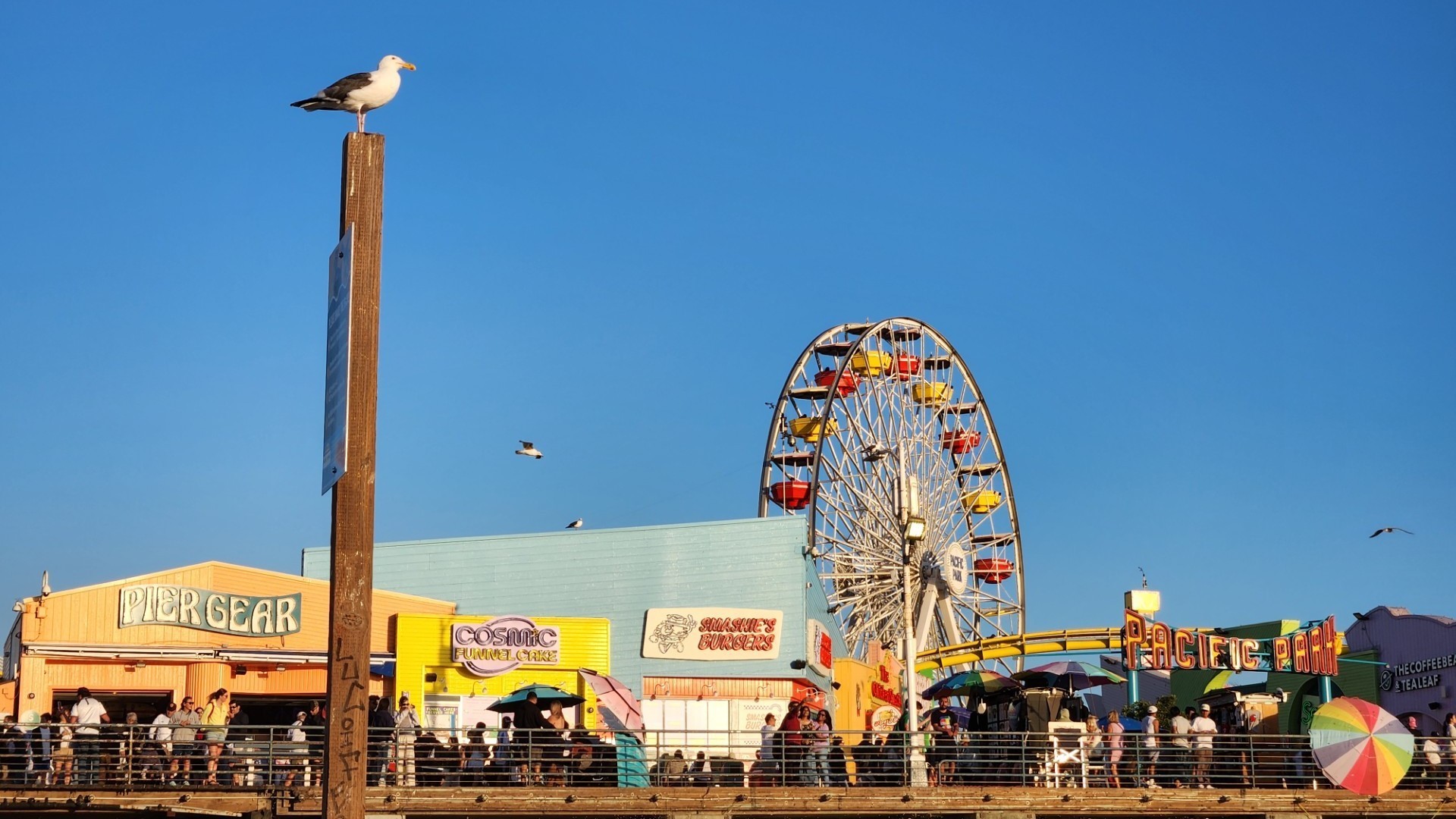
As I pick up our Pacific Coast Highway adventure again, I wanted to focus on the waterbirds. More specifically, I wanted to highlight understanding the distinctions of the Western Gull, California Gull, and Glaucous‑winged Gull. Before this trip, every one of them lived under the very scientific category of “seagull.” However, as I watched Listers and The Big Year earlier this year, I realized bird experts were spotting tiny differences that made their Lifer lists grow.
Naturally, I needed help. Without the Merlin app, I would have been wandering the coastline lumping all birds as gulls, ducks or herons. The gulls were everywhere during our stops, and the Western Gull seemed to run the place. So, I started comparing them, and Merlin guided me through the distinctions.
Spotting the Gull Trio
As a beginner, the easiest way for me to separate these three is by checking their wingtips, legs, and beaks. Once you know what to look for, the differences pop out and make you feel silly for not realizing the differences on your own.
The Western Gull shows off dark black wingtips, pink legs, and a bold red spot on its bill. The California Gull steps in with black wingtips, yellow‑green legs, and a bill marked with both black and red. Then the Glaucous‑winged Gull arrives with pale gray wingtips (no black), pink legs, and a simple red spot on its bill.
Each one has its own style, but definitely coordinated outfits before landing.
Bonus Birds Along the Way
California had more surprises waiting. During a stop in San Simeon to watch the elephant seals, several Brown Pelicans lounged nearby as if they owned beachfront property. Later, at Pier 39 in San Francisco, a Double‑crested Cormorant made an appearance while the sea lions argued loudly and participated in WWE matches about dock space.
With more time and an actual camera, I’m know the Pacific Coast Highway would reveal even more birds. The route gave our family countless memories, and the birds added their own stories to the trip. And those moments will stay with us long after the road trip dust settled.
My trip down the Pacific Coast Highway turned into a baseball adventure once I reached Los Angeles. Seattle and San Francisco did not have home games during my visit. So these stadiums are saved for another time. However, the real action started once I reached Southern California. In four days, I checked off Dodger Stadium, Angel Stadium, and Petco Park. After visiting Citizens Bank Park earlier this spring, I reached four stadiums in one year. That is a personal record and a sign that my quest of Chasin 30 is moving along. These stops brought me to ballparks 19, 20, and 21. Which means, only nine remain. The Orioles visited both the Dodgers and Angels. However, the Padres hosted the Braves. The Dodgers and Angels lost, but the Padres saved the trip with a win.
Dodger Stadium: History, Hills, and a Father’s Day Freebie
Dodger Stadium carries a special kind of history. It opened in 1962 and is the third oldest stadium in baseball. Fenway Park and Wrigley Field are the only two older parks. The Dodgers also have the largest seating capacity in MLB. They are back-to-back World Series champions in 2024 and 2025. They beat the Yankees and Blue Jays for those titles. And the roster includes Shohei Ohtani, who once played across town for the Angels. But tickets were pricey even in the nosebleeds. However, the views made up for it. The San Gabriel Hills stretched across the outfield. While palm trees lined the park. The open view into the park created a perfect backdrop. We took free photo booth pictures. And the Father’s Day promotion handed out free Dodger shirts. It was a great start to the trip.
Angel Stadium: Low Prices, High Entertainment
A Stadium with Personality
Angel Stadium offered a very different vibe. The giant Angels caps and bats at the entrance stood out. And the waterfall in the outfield added a nice touch. However, the rest of the stadium was simple. The outfield view was plain. But the game day experience made up for it.
Pre-Game Fun and Cheap Tickets
We arrived early and walked to Brewery X in right field. The tables overlook batting practice. Watching players warm up from the outfield was a fun bonus. Compared to the Dodgers, ticket prices were a shock. The nosebleeds started at four dollars. However, we upgraded to seats along the third base line for seventeen dollars. The angle was not perfect for home plate action. The kids tried to get a foul ball. They did not succeed, but they enjoyed the chase. And we found the Chomp Stop concession stand with Pac-Man themed treats. So, we tried the candy apples and cotton candy.
The Chant That Took Over the Stadium
However, the highlight came later. A group of fans climbed to the top sections in right field. They took off their shirts and waved them while chanting “sell the team.” Our son joined them. But security eventually sent everyone back to their seats. The Angels may not win often, but they know how to create a memorable night.
Petco Park: Skyline Views and a Flashlight Finale
A Perfect Ending to the Trip
San Diego was the final stop. After two straight days of baseball, we took a break before heading to Petco Park. I researched parking and discovered that public transit was the best option. The metro dropped us a few blocks from the stadium.
A Ballpark with Character
We entered through the home plate plaza and walked past the water wall. The San Diego skyline framed the field. While the Western Metal Supply Co. Building anchored the left field corner. It reminded me of PNC Park in Pittsburgh. The atmosphere was lively as dusk approached. And the Padres held a lead. Jason Adams entered in relief with a dramatic entrance. The lights dimmed and flickered. Fans turned on their phone flashlights.
A Padres Win
The Padres won 5–2. My partner announced that the Padres were now her favorite team. As a Tigers fan, I’m not happy. But there are worse choices…like the Guardians. The colors and energy won her over. I only wished we had arrived early for batting practice. Our seats were six rows from the outfield wall. It would have been a perfect spot to catch a baseball. Of the three parks, Petco Park offered the best stadium and game day experience. In the end, it was a phenomenal three days of baseball.
Golden hour baseball at Angel Stadium. The crowd’s energy outshines the scoreboard.Petco Park’s skyline view steals the show. Where baseball meets the heart of San Diego.Game day smiles at Dodger Stadium, where memories matter more than the scoreboard.
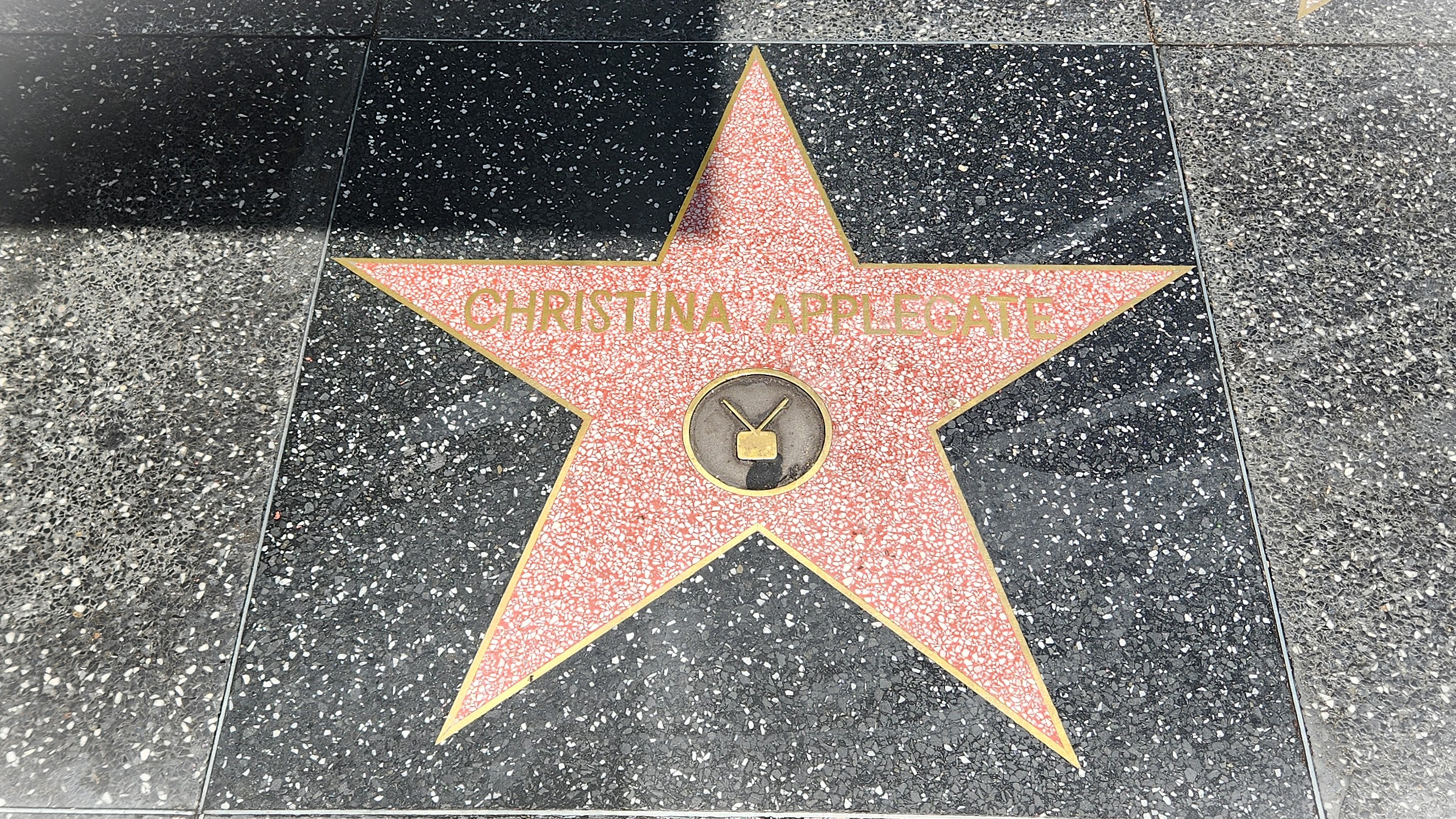
Last month I wrote about discovering the podcast MeSsy, hosted by Jamie Lynn Sigler and Christina Applegate. Even though I found it this year, the show launched in 2023 and already has more than one hundred episodes. It is a treasure chest of honest conversations, humor, and moments that make you nod along in recognition of the struggle and crack jokes at some of the outlandish things Christina says.
My interest in the podcast grew after both hosts released books earlier this year. I had the same excitement I had when reading Selma Blair’s Mean Baby. So, when Christina Applegate’s memoir You With the Sad Eyes arrived, it only took a couple days to read. She is also someone living with MS. Someone who understands the strange mix of uncertainty and determination that comes with this diagnosis.
Christina’s book is truly a memoir and does not center on her MS journey, but she does confront it directly as part of her story. The rest of the book covers her life before that moment, including a separate cancer diagnosis a few years prior, which makes the MS diagnosis land with even more weight. When I was diagnosed in 2023, I did not know anyone in my circle living with MS. Christina was the only celebrity I knew with the disease, and the news clips at the time were not exactly uplifting. They came across as angry and hopeless, and as someone newly diagnosed, that was not the inspiration I needed. Newsflash, Amanda! It wasn’t her or anyone else’s responsibility to provide that inspiration.
This early shock pushed me toward a different mindset. I would approach my journey with intention and positivity, even when the path looked uncertain.
The Early Days of Change
Right after my diagnosis, I made major changes to my diet, exercise, and lifestyle even though the doctors all said this wasn’t necessary. Gone were the nights of cocktails, dinners, and staying out late for drag shows. Instead, I spent hours in grocery stores hunting for organic versions of everything I used to buy. My evenings turned into meal prep sessions and quiet reading time so I could be in bed by eight. My body needed rest, and I was determined to give it every chance to repair itself.
I also started walking every night after work to reach my then 8,000-step goal. Those walks became my thinking time. No matter what else crossed my mind, my mind always drifted toward the limited snippets of Christina Applegate’s MS Journey. I imagined that if we ever met, we could support each other, share ideas, and maybe even help push MS research forward. It was a hopeful thought, and I clung to it.
I also had a slightly irrational belief that celebrities always have access to the best doctors, treatments, and resources. So, I convinced myself that if I could team up with someone with that level of access, we would make progress in finding a cure for MS. And maybe one day Christina would appear in the news with a new outlook that would not terrify anyone newly diagnosed.
The Reality Behind the Headlines
My first year with MS came with ups and downs. Fatigue was a constant companion, and naps became part of my routine. Christina’s honesty about her own struggles helped me more than I expected. She never pretended everything was fine. If she had maybe I wouldn’t have pushed myself so hard to create a healthier lifestyle for myself and stayed on top of all of my appointments. It also helped others understand my experience, even when I appeared able bodied on the outside.
There is nothing more frustrating than someone questioning your symptoms because you look “normal.” Pain, fatigue, stress and appointments do not disappear just because you brush your hair and show up to work. Christina’s openness helped bridge that gap for people who had never seen MS up close.
Heroes in society are often portrayed as strong and endlessly positive. Yet after listening to Christina and reflecting on my own journey, I think she might be a hero for people living with MS, autoimmune diseases, or just the daily human experience. She shares her truth without filters, whether she is talking about childhood, fame, cancer, or MS.
My truth leans more positive because that is who I am (on most days). Still, I appreciate her honesty and the way she shows up as her real self. Her memoir is a must read for anyone who wants an unfiltered account of life or whose journey also includes MS. We share a diagnosis, but the disease presents differently for each of us. Her story adds another voice to a community that needs every voice it can get.
Christina Applegate’s You With The Sad Eyes takes center stage on my shelf, surrounded by a motivational dream team.
June arrived with better focus after my off‑track month of May. I didn’t transform into a walking superhero, but I did tighten things up. In May, I missed my 10,000‑step target fourteen times! In June, I missed it only six times. It’s progress worth celebrating, even with a few days slipping through the cracks.
Planning for a two‑week vacation and then returning home to have all four wisdom teeth removed created some chaos. On most of those imperfect days, I could have hit the goal if I had stuck with my morning plan. Early steps always save the day. There was one exception, though. During our West Coast drive down the Pacific Coast Highway, the long hours in the car and limited pull‑off spots made a perfect day near impossible.
Instead of dwelling on the missed days, I looked at what June actually gave me. The month reminded me that steps earned through daily adventures are far more enjoyable than steps earned through ninety minutes of pacing around the neighborhood. Walking with intention always wins.
A Day in Seattle That Earned Its Own Chapter
June 14 deserves its own spotlight. We took the train into Seattle and explored the city by foot. The plan included Pike Place Market, the gum wall, and the Space Needle. The train ride itself was a show. Mount Rainier appeared in the distance, followed by T‑Mobile Park, which is still on my list for my quest to visit thirty MLB stadiums. Lumen Field came next, home of the Super Bowl champion Seattle Seahawks. The city wasted no time showing off.
Once we reached Pike Place Market, we caught the tail end of the famous fish‑throwing routine. We missed the main event because I stopped to take a picture of the market sign for Instagram and became distracted by a rock pigeon that was completely white. Priorities!
We wandered the pier, explored the market, and found the first Christmas ornament of the trip. Our family tradition is to pick out ornaments for each trip we take or in this case major cities we visited. It is a fun way to memorialize each adventure without buying something that needs dusting.
Lunch came next, followed by a walk to the gum wall. We did not contribute to the sticky masterpiece, but we did join the crowd taking pictures. Seattle offered plenty of public art, from murals to the Olympic Sculpture Park. The walk between destinations stayed interesting, which helped the step count.
Seattle is also a host city for the FIFA World Cup. I am not sure if that explains the random man at the Sculpture Park who yelled at my fiancée to go back to where she came from. She is a redhead with pale skin, so maybe he thought she was from Ireland?! The moment was strange, but it added to the day’s storytelling material.
We expected San Francisco to have steep hills, but Seattle surprised us. The walk to the Space Needle happened during a heat advisory and included streets that tested my commitment to this 10K habit. By the end of the day, we logged 23,652 steps! That is a personal record for the year and probably my life in general.
The Month in Numbers
June brought 24 successful 10,000‑step days and a total of 331,654 steps. I spent 54 hours and 35 minutes walking. Those steps included beaches, lighthouses, and coastal towns in Oregon and California, plus big city stops in San Francisco, Los Angeles, and San Diego. Two other days on the coast I reached 19,000 steps. If I had paid closer attention, I would have pushed for 20,000 on both days.
June didn’t deliver a perfect month, but it did reinforce my desire to walk with intention. The West Coast made the journey enjoyable, memorable, and easy to repeat. This trip will stay with me for a long time, and I hope more months look like this one.
Seattle’s Gum Wall, proof that even discarded gum can become a sticky masterpiece.Oregon’s coast where sand dunes meet sea spray and the lighthouse keeps watch like a seasoned storyteller.
I mentioned in my last post that I spent two weeks driving the Pacific Coast Highway from Seattle to San Diego. We packed the itinerary so tight that I wondered if birds would fit into the schedule. After all, I had a surprise Redwoods proposal planned, and my now fiancée had no clue. Birding needed to slide into the cracks of the trip, not take over the whole thing. Birds filling in during downtime worked perfectly.
At first, I worried I missed a few chances. If I were doing a true big year, we would have turned the car around when we passed a random peacock on the side of the road. I also spotted my first hummingbird of the year at Clark Lake State Park in Kent, Washington. I did not get a photo, which annoyed me more than I want to admit. Thankfully, Anna’s Hummingbirds showed up several more times along the coast. I finally captured one at Mission Bay State Park at our last stop in San Diego.
My fiancée and I both agreed that I need a real camera. My phone tries its best, but these birds deserve better than pixelated blobs.
Lighthouses, Jays, and One Very Misleading Bird
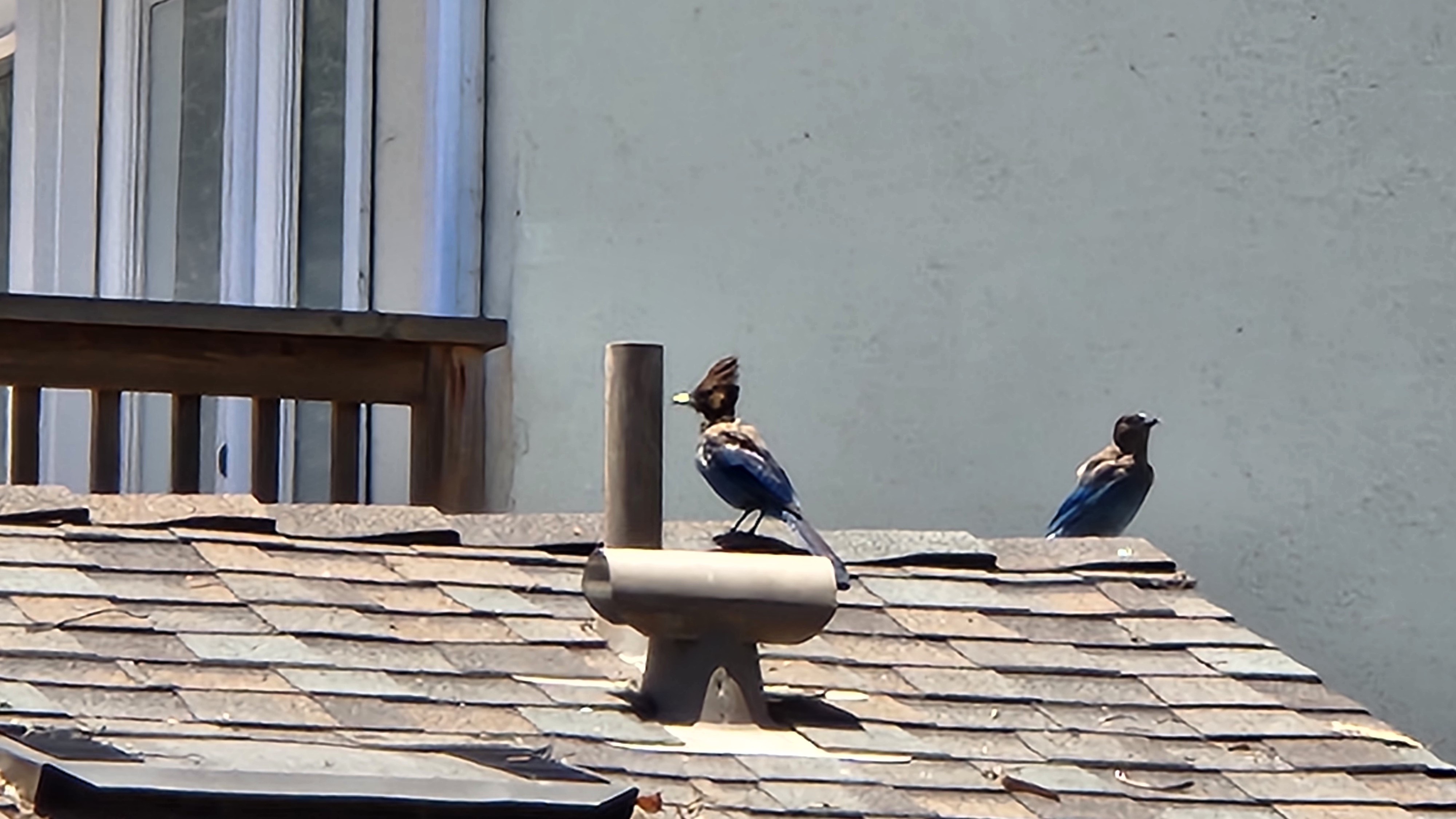
I officially captured two new species at the Umpqua River Lighthouse in Winchester Bay, Oregon. I spotted a Steller’s Jay and a Eurasian Collared Dove. Later, I found another Steller’s Jay in Ragged Point, Oregon. This one was brown and blue instead of black and blue. I convinced myself it was a new species. It was not. I was disappointed, but the photo became my favorite picture of the trip.
Our next lighthouse stop was the Trinidad Memorial Lighthouse. I did not read ahead, so I assumed the lighthouse still sat on top of the bluff. It does not. It was moved in 2018 due to erosion. Our daughter and I hiked the half mile to the top anyway. We reached the top out of breath, cold, and with our hearts racing. I proudly announced that I captured a wrentit and a common raven. This did not improve the situation.
However, the hike gave us time to rehearse my surprise proposal for her mom the next morning in the Redwoods. She had been practicing her photography skills for months, and we both wanted the moment to be perfect.
And, the common raven taught me a lesson. I dismissed several black birds previously on the trip as crows. When I submitted the photo to Merlin, it informed me that the tail shape proved it was a raven. Now, even if a bird looks like a bird I’ve previously captured, I take a picture. I’m trying to learn the differences instead of making assumptions.
San Diego Surprises and My Favorite Rare Find
I captured 19 new bird species on the trip. For this post, however, I am focusing on the land birds. I will write a separate post for the water birds because I learned interesting differences between the various “seagulls.” Once you know what to look for, the differences stand out.
San Diego is considered the birdiest county, with over 550 species in a typical year. I only added four land birds and two water birds while here. It seems embarrassing, but I need to remember that these were birds I found during downtime on the trip.
The coolest bird to observe was the Swinhoe’s White-eye. It is a cute but angry looking bird. It was a rare find in San Diego that day. Six or seven of them flew back and forth between trees. I also captured the Anna’s Hummingbird, Dark-eyed Junco, and Cassin’s Kingbird. Additional land birds included the Cliff Swallow, Barn Swallow, California Scrub Jay, and Brewer’s Blackbird.
A Sparrow, A Lighthouse, and One Very Misleading Deer
Before I wrap up the land birds, I need to share a quick story from our stop at Point Cabrillo Lighthouse. This pit stop started with promise because the Merlin App Sound ID lit up with several new species. I was ready for a jackpot moment. I quickly captured a White‑crowned Sparrow and thought I would add several more birds at this stop.
However, the universe had other plans. As we walked toward the lighthouse, we came upon a sign warning visitors to beware of cougars. Cougars! I almost turned around and sprinted back to the car. I did not want to finish the walk to the lighthouse. But I was also in need of a bathroom that remained only a short distance ahead.
We carried on, although I questioned every rustle in the grass. Then I spotted what I thought was a cougar hiding in tall grass. My heart jumped and feet stopped. I zoomed in on my camera and discovered it was a deer. A regular deer. I was terrified of a deer!
The moment turned into a great story because we did not encounter a cougar. And I still managed to capture a photo of the White‑crowned Sparrow and the Point Cabrillo Lighthouse. It was not the birding jackpot I expected, but it was memorable in its own way.
Driving the Pacific Coast Highway was beautiful and fun. I can only imagine how exciting it would be to do it again with the main goal of capturing birds.
Anna’s hummingbird pauses mid‑flight among the pine needles.A quiet moment with the dark-eyed junco tucked into the canopy.The swinhoe’s white-eye hiding in a maze of branches.A White‑crowned Sparrow surveys the field from its wooden perch.The “cougar” that turned out to be a very harmless deer.Point Cabrillo Lighthouse shining over the coastal landscape.
After a busy month, I am finally back with a new Game Day Story. I spent two weeks on the West Coast, and the trip gave me more content than I expected. I planned to write about my visits to the Dodgers, Angels and Padres games. These stops pushed me closer to my bucket list of visiting every MLB stadium. I assumed my next posts would focus on baseball. And yes, those stories are coming. But life has a funny way of throwing you a curveball when you’re expecting a fastball.
I never imagined I’d be writing a game day post about cheerleading (or should I say a with a cheerleading connection). Yet here we are.
It reminded me of my Peyton Manning story. The one where I went to Knoxville knowing basically nothing except “Lady Vols” and “Peyton Manning,” and somehow walked away with a whole new appreciation for a place I barely understood. This trip had that same energy.
Our family road trip down the Pacific Coast Highway from Seattle to San Diego included a couple days in Los Angeles, and that’s where things took a turn, I absolutely didn’t see coming. While we drove, we posed the question which celebrity we would most want to meet in LA. The kids chose Steph Curry and Olivia Rodrigo. I tried to think logically about who actually lived in LA. Since I had no clue, I picked LeBron James. My fiancée answered instantly with Will Ferrell. She said it with the confidence of someone ordering their favorite dessert. She also noted that he was currently filming in North Carolina, so meeting him was unlikely.
And yes, you read that correctly. Fiancée, not partner. I proposed in the Redwoods, and she said YES! So, this trip already had a built‑in highlight.
A Hollywood Morning That Turned into a Star-Studded Walk
Our first LA day took us to a Dodgers game on Father’s Day. On Monday, we visited the Hollywood Sign, the Chinese Theatre and the Walk of Fame. We parked under the Dolby Theatre around 10:30. As we walked up to the street, we took pictures of the Dolby Theatre and the Jimmy Kimmel Live buildings. Soon we stepped onto the star walk.
Within one block, we found Sandra Bullock’s star. It was the only star I truly wanted to see. We had not looked up coordinates, so finding it by chance was a serendipitous. I doubted we would be that lucky again, so I looked up Will Ferrell’s star. It turned out we were about to walk past it anyway.
A tent was set up on the sidewalk in front of the Hollywood Wax Museum. A small crowd had gathered. We learned that Molly Shannon’s star ceremony was happening in 30 minutes. So of course we stayed. When else do you accidentally walk into a Hollywood Walk of Fame ceremony?
While we waited, I noticed people holding posters of Anchorman and other Will Ferrell movies. None of these posters had anything to do with Molly Shannon. I turned to my fiancée and said that Will Ferrell might appear. Our son had apparently said the same thing moments earlier.
Then he arrived. Will Ferrell. In the flesh. Feet away from my fiancée. So much for the proposal being her favorite moment of the trip! However, I’ve never been so happy to be in the right place at the right time. It felt like the universe handed her a gift with a bow on top.
A Superstar Moment Worth Its Own Game Day Story
Connie Britton and Will Ferrell gave opening remarks for Molly Shannon. Will delivered humor while keeping his message warm and sincere. Molly’s star became the 2,850th star as of June 22, 2026. Her star was placed next to Will’s, which made the moment even better.
Since Will Ferrell is known for the Spartan cheerleader sketch and Molly Shannon is known for Mary Katherine Gallagher, the cheerleading theme suddenly became part of my Game Day series. I never expected cheerleading to enter the lineup.
The trip, the day, the ceremony and the surprise can be summed up in one word: Superstar.
Will Ferrell’s star shining on the Hollywood Walk of Fame. Photo credit: Meg WellsMolly Shannon’s newly unveiled star during the Walk of Fame ceremony.The stage setup for the Hollywood Walk of Fame ceremony honoring Molly Shannon.
In my May 25 post, I talked about Selma Blair’s memoir Mean Baby. This year, both Christina Applegate and Jamie Lynn Sigler released their memoirs. I read them in back‑to‑back months and will eventually write about both. However, today I want to talk about their MeSsy podcast, which started in 2023 but only entered my world this year.
I remembered Christina’s diagnosis when I received mine in 2023. I am embarrassed to admit that I did not know of Jamie Lynn Sigler until I saw her in a commercial for an MS medication. Considering the popularity of The Sopranos and her marriage to the son of former MLB player Lenny Dykstra, I missed several opportunities to know her before MS entered the picture.
Oddly, that made reading her memoir refreshing. I learned everything about her for the first time, which kept me interested on every page.
How I Became a Podcast Listener Against All Odds
I heard of the MeSsy podcast before reading their books, but I never listened to podcasts in previous years. I was missing out on some entertaining listening. Thankfully my partner got me hooked on the Handsome podcast. After catching up on all its episodes, my partner asked if I had heard of anything good.
Suggesting the MeSsy podcast was a stretch. My partner usually prefers crime podcasts. Yet this one has been packed with great information and plenty of laughs. With over 100 hour‑long episodes, there is a lot of content to unpack if you are not already listening.
This pairing delivers unfiltered conversations about MS, life, and everything in between. Jamie and Christina bring honesty, humor, and vulnerability to every episode.
Why Their Dynamic Works So Well
Both hosts bring something unique to the show. Jamie offers empathy and helps Christina navigate toward a positive mindset. Jamie has lived with MS for several years, while Christina’s diagnosis is more recent. Christina brings humor to every episode. Her honesty is raw, and her experience is hard to hear at times, but it is also real.
I appreciate the balance. Jamie brings grounded optimism. Christina brings a PhD in keeping it real. Together, they create a space that is honest without being hopeless and funny without being dismissive.
My mindset since my diagnosis mirrors Jamie’s experience more closely. I relate to her approach. Christina’s perspective is completely understandable, and her journey is her own. It has taken me over two years to grasp how unique each MS diagnosis is.
The Episode That Hit Home: Jennifer Esposito
I just finished episode thirteen with Jennifer Esposito. She discusses her diagnosis of celiac disease and how fixing her gut health changed everything for her. While cleaning up eating habits is hard, I can relate to her story.
From my own experience, which is not medical advice, being strict with my diet for the first six months after my diagnosis changed my trajectory. I credit that period for where I am today. I wrote about this in a prior post about the book Beat Autoimmune.
Understanding how sugar, dairy, carbs, and gluten affect our bodies can be an alternate route for some people managing autoimmune diseases. Most MS medications focus on preventing progression. Diet changes can be an additional layer that helps support healing from earlier damage.
This approach may not work for everyone. However, in the last two years, I have heard many stories crediting diet changes for improvements in brain fog, fatigue, and overall well‑being. And I know this to be true from my own experience.
Where My Journey Meets Theirs
I am only on episode thirteen, but I am excited to continue. I want to hear more about their journeys, their guests, and the places where our stories overlap. MS is unpredictable, but community makes it less isolating. Listening to others share their truth helps me understand my own.
March and April brought locked‑in focus. I walked at least 10,000 steps every day without missing a beat. Then May arrived with a wake‑up call. I am not a fan of excuses, so this is simply a factual snapshot of the month.
The first eleven days of May started strong. I hit my daily steps and stayed on track. However, those following My MS Journey series know that my infusion on May 12 did not go as planned. I expected a normal day with a two‑hour drive from Charlotte to Mebane after the infusion. I planned to walk later that evening.
Instead, a family emergency in Ohio changed everything. I drove home, packed a suitcase, and my partner drove us on nine‑hour drive that had our arrival the early hours on the next morning. Since I spent the rest of the night in the car, my step count didn’t recover that day.
The Habit Stacking Gap I Could Not Ignore
This brought something important to the surface. My days run smoothly when everything goes according to plan. Habit stacking works beautifully until life throws a curveball. My life is predictable most days, but I have known for a while that I should shift more steps to the morning.
This would require waking up earlier. I am a morning person, usually up between 7 and 8. However, the idea of getting up at 6 or 6:30 to walk never made the priority list. Intrusive thoughts won that battle. Sleeping in won too.
This is why I dislike excuses. It would be easy to say May 12 was unavoidable. But my infusion did not start until 9 a.m. I had time to walk that morning. I simply did not.
The Five‑Day Slide and the Lazy Truth
May 12 was not an isolated incident. I missed my step goal for five straight days! Another family emergency happened the final weekend of May accounting for another five days missed. And the week before that, I had no excuse at all.
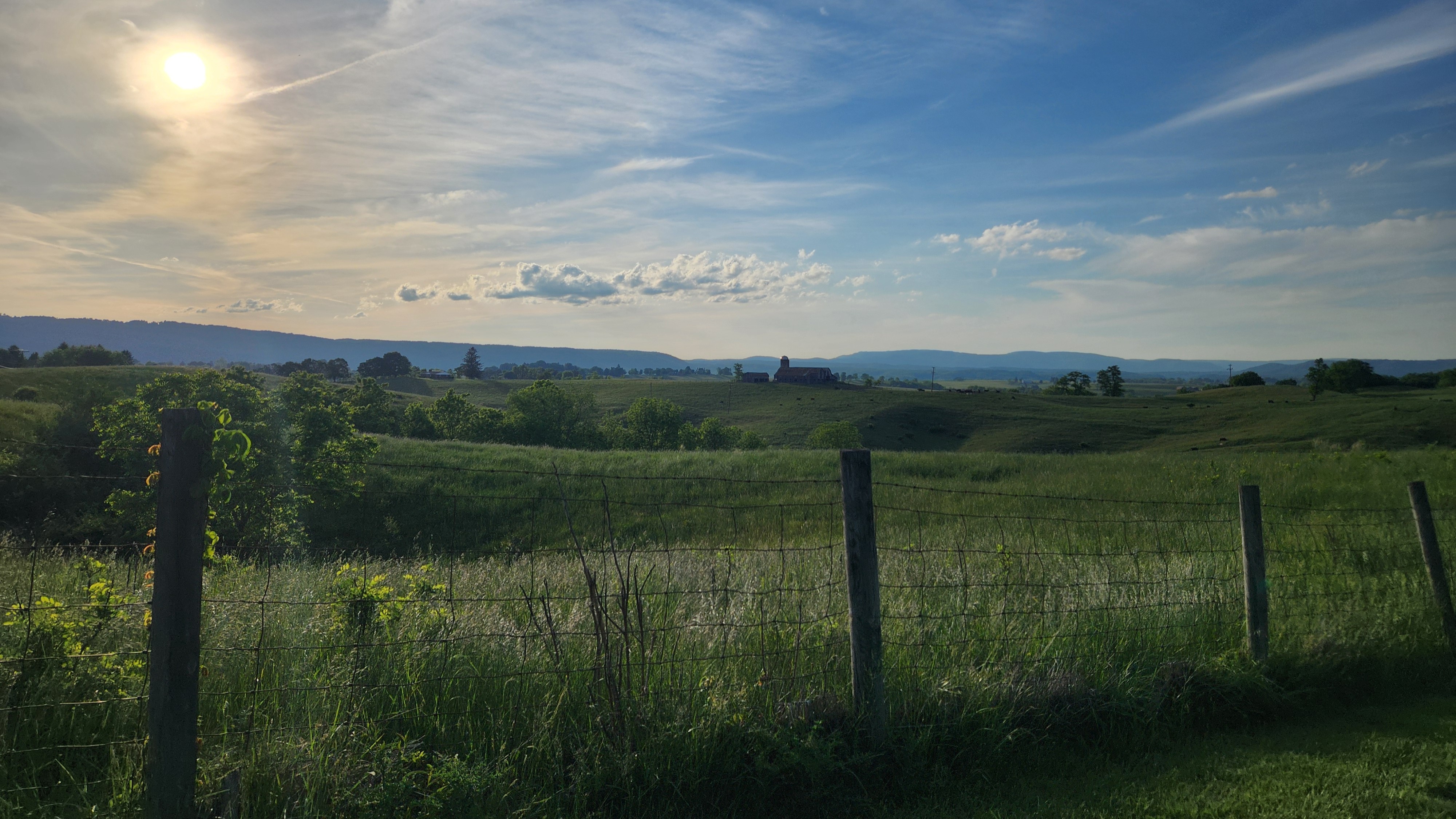
May brought rain and cooler temperatures, but that was not the real issue. I hit a four‑day stretch where I did not want to walk. Plain and simple, I was lazy. While most days I still averaged around 7,000 steps, one day I had less than 3,000. I was a little defeated from the earlier misses. That combination created a perfect storm in my mind. However, no perfect storm could take away from this sunny Lewisburg, West Virgina farmland photo as my feature image. I captured it while stretching my legs to get some steps in on a day where I knew I wouldn’t meet my goal. It shows the unexpected beauty and small rewards that come from staying committed to this habit even when the daily goal becomes out of reach.
This is the part that matters most with real consistency. We all have days where legitimate reasons arise. We also have days where we simply do not want to do the thing. What matters is the mindset to hold ourselves accountable and not let a rough week derail the bigger goal.
June Arrives with a Reset and Renewed Focus
No one is perfect all the time. It is okay to have days where we fail. What matters most is what we do next.
Today is June 2. I have over 13,000 steps and it is only midday. I am locked back in and focused on getting most of my steps earlier in the day. This small shift will help me build better consistency in the weeks ahead.
The journey continues, one early morning at a time.
May’s step calendar showing the highs, lows, and everything in between.
My last Feathered Friends adventure took me through Ohio. My latest lifers came from Alexandria, Virginia. This was another unplanned weekend trip for a family emergency, this time for my partner’s relative. The hospital had a strict two‑visitor limit on Sunday, so instead of scrolling on my phone, I decided to habit stack. I wandered the hospital grounds to get steps and see if any new birds would appear.
I turned on Merlin Sound ID and thought I hit the jackpot. Familiar backyard birds from North Carolina were singing loudly. Robins and cardinals were everywhere. Then the first of two new lifers appeared on the screen. The song sparrow was not only nearby but easy to spot in the parking lot and trees. I snapped photos and confirmed quickly.
The Mystery Bird That Was Not What It Claimed
Then things got interesting. Merlin kept alerting me to a white‑throated sparrow in the bushes. That would have been rare for the area that day. As I moved closer, another rare bird appeared on the list. The Eastern Wood‑pewee. My excitement skyrocketed! I thought I was about to collect several new lifers in one hospital parking lot.
But then the chirps I was following flew out of the bush and landed on a light pole. I thought it was a common grackle. Merlin Sound ID now said brown‑headed cowbird. My eyes said European Starling. I had seen one the day before in Lewisburg, Virginia, and the yellow bill gave it away.
Sure enough, after I snapped a photo, the visual ID confirmed the European Starling. Since the rare birds only appeared when the starling opened its beak, I did a quick search. I learned that European Starlings can mimic other species because they have a dual‑chambered syrinx. They can produce two sounds at once. This little troublemaker had been throwing its voice like a feathered ventriloquist. I uttered “that little shit” under my breath.
This is why you cannot rely on Sound ID alone. But now I must watch for European Starlings on future adventures. These little tricksters are talented, chaotic, and dramatic.
Better Photos, Familiar Birds, and a Growing Wish List
During this trip, I saw many song sparrows. I also captured better photos of the American goldfinch and the house finch. My North Carolina photos were not great due to heavy zoom. I need a better camera. If I want to consider The Big Year in 2027, I must upgrade my gear. Potato quality images are not going to do it!
After watching the documentary Listers, which I mentioned in my last post, I followed it with The Big Year starring Steve Martin, Jack Black, and Owen Wilson. I am glad I did not watch it fifteen years ago. I would not have appreciated it the way I do now.
A Trip That Was Not About Birds, Yet Somehow Was
This weekend was not planned for birding. Yet the hospital grounds gave me four species to document, two new lifers, and one starling with a talent for deception. Even on unplanned weekends, nature finds a way to surprise me. I never know what I will discover next. But I do know that I will keep wandering, watching, and documenting every unexpected moment.
A brighter and clearer American Goldfinch photo than my earlier attempts.One of many song sparrows singing loudly during my Alexandria walk.A bright House Finch showing off its color and reminding me that my camera deserves an upgrade.
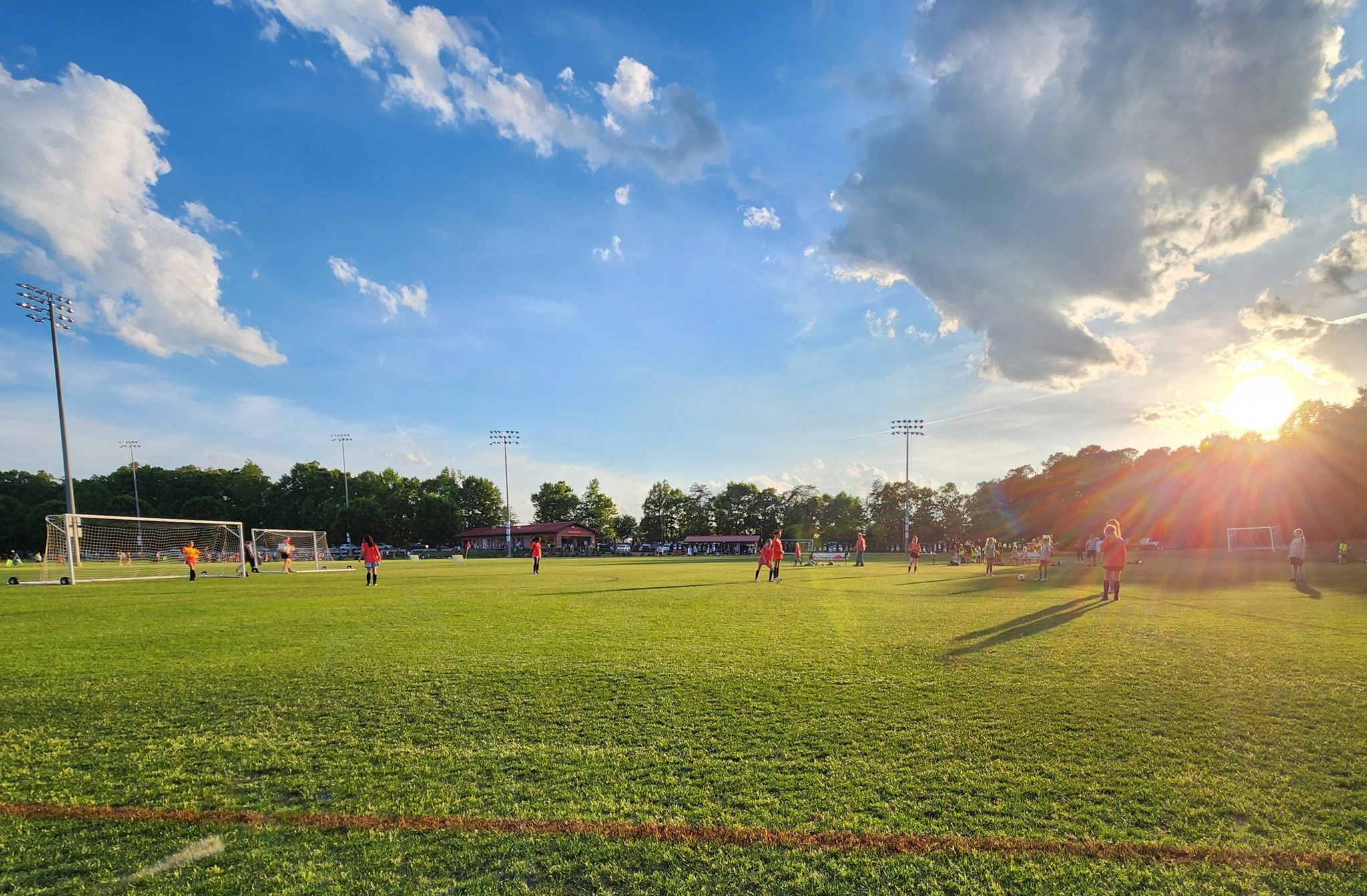
Similar to birding, soccer was not on my 2026 bingo card. Fantasy Football, yes. Birding, no. Soccer, absolutely not. Yet here we are…again! Tuesday marked the start of the playoffs, and the Royals punched their ticket to the championship after a strong win. Rumblings of whether there should be a mercy rule in soccer similar to softball quietly made its way through the parent’s sideline. Suddenly, I was invested in a sport where I still cannot explain offsides. I know when to cheer, though, especially when the ball hits the back of the opponent’s net.
Soccer took over our Tuesdays and Thursdays this season. Tuesdays meant practice. Thursdays meant game day. The team started with heart and determination and ended with a 5–1 record. Their only loss came from the Grey team in a tight 1–0 match. That loss stayed with them, and tonight they had a chance to rewrite the story.
A First Half Built on Defense and Determination
The championship started with both teams battling hard at midfield. The Royals pushed forward and created early chances. After several close shots, they finally scored halfway through the first half. That goal opened the field and loosened the tension. Soon after, they added a second goal and entered halftime up 2–0.
The energy shifted. The Royals played with confidence. And the parents on the sidelines tried to act calm. None of us succeeded. Maybe I shouldn’t speak for everyone. I didn’t succeed!
The Second Half and the Goalie Who Also Does Butterfly Moves
At halftime, our daughter switched from striker to goalie. This is always an adventure. She puts on her goalie gear and sometimes enters butterfly mode. Yes, butterfly mode. She breaks into dance moves that may or may not be part of her defensive strategy. Tonight, the moves stayed minimal. She was laser focused and stopped two shots with confidence.
Meanwhile, the Royals added two more goals. The score was 4–0, and the shutout held until the final whistle. The team erupted. Parents cheered. I still don’t understand soccer strategy. But the coach and kids do, which is all that matters.
Trophies, Medals, and a Season Worth Celebrating
After the final huddle and a victory speech from the coach, the team received their first-place trophies and medals. The win was the cherry on top of a fantastic season. The real highlights were the hard work, memories, and friendships built along the way.
Soccer mom life might be here to stay. I may never understand offsides, but I understand joy, teamwork, and the magic of watching kids discover their confidence.
A championship win calls for a family photo and a little goal‑hanging celebration.Championship moment: Our striker‑turned‑goalie showing off the hardware after a 4–0 victory.